
Insight · Special Events
Planning Photo, Autograph and Meet-and-Greet Activities with Talent
Plan photo, autograph and meet-and-greet activities by defining each activity, who can access it and what the artist is being asked to do. Assess the available participation time together with the local team's proposed entry, interaction and exit process before describing an audience offer. Venue capacity does not establish how many personal interactions can be delivered, and no single time allowance suits every format or participant.
On this page
Name the activity people will actually receive
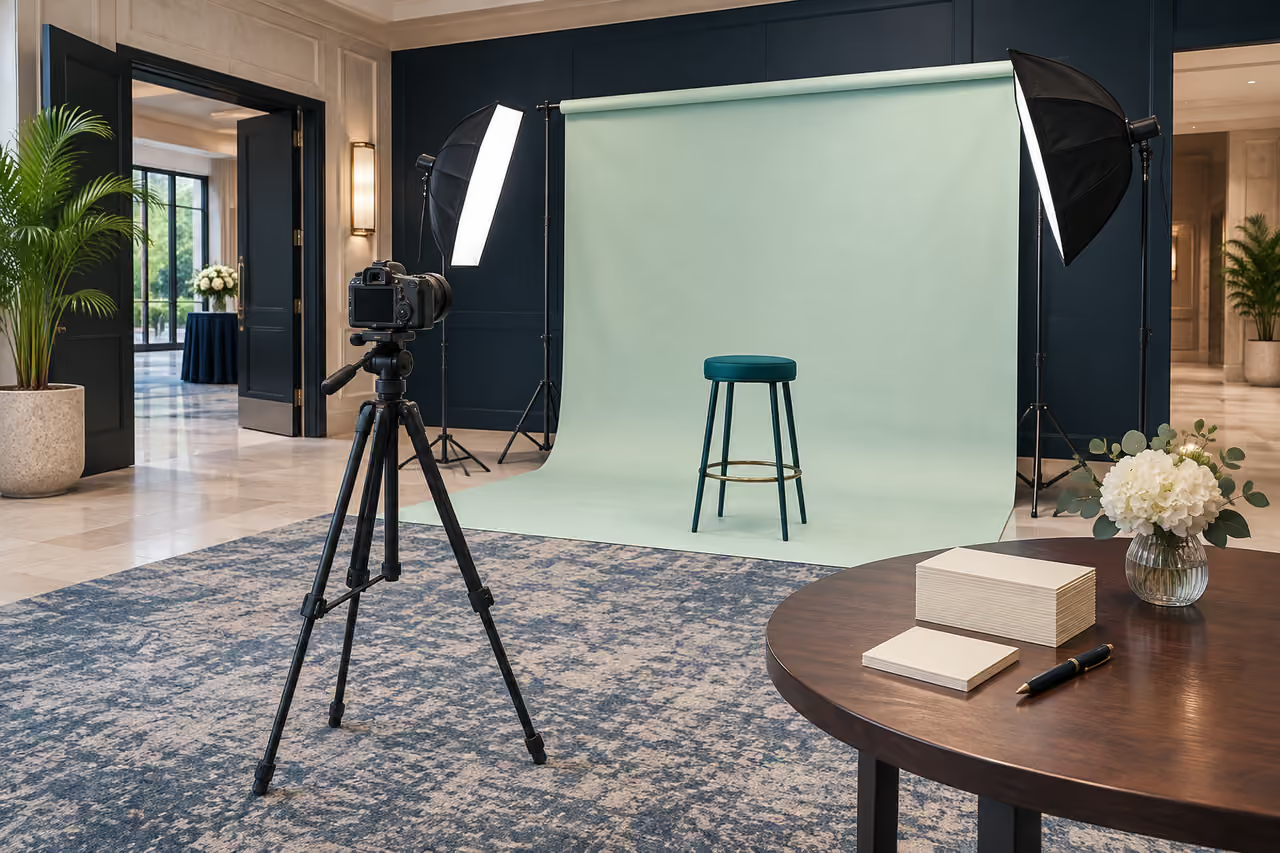
A posed photograph, an autograph and a conversation are different activities. Specify whether the photograph is individual or in a group, whether an item is supplied or brought by the attendee, and whether the proposed encounter includes conversation. Avoid using “meet-and-greet” as a label that lets different expectations accumulate.
Describe the artist's contribution and any boundaries in the participation request. Additional photographs, personal messages, multiple items or a change from a group to an individual format need to be considered rather than assumed. Audience information should reflect the activity that is actually confirmed.
Map the scope to time, access and delivery
Use this matrix to agree the process, access and local responsibilities for each activity.
| Activity | Time or process to assess | Access question | Local responsibility to identify |
|---|---|---|---|
| Individual posed photograph | Entry, positioning, capture and exit, including agreed adjustments | How is an allocated place checked? | Queue lead, photographer and attendee support |
| Group photograph | Group assembly, positioning and movement afterwards | What group composition has been described? | Group coordination and photography team |
| Autograph | Item preparation, signing arrangement and handover | Which items and quantity are within scope? | Item-handling and access teams |
| Brief conversation | How the interaction begins, ends and moves to the next person | Is it an allocated encounter or part of another activity? | Session lead and audience-support staff |
The organiser should also assess access needs, audience communication, waiting arrangements and the connection to the rest of the event. These affect delivery and should be considered with the actual local professionals.
Assess activity capacity through the real process
Begin with the artist's proposed attendance and the time allocated to this particular activity. Identify preparation, breaks, transitions and other agreed duties separately. Do not use the entire time in the building as interaction time.
Ask the local team to evaluate the proposed process, including the time spent outside the actual photograph or signature. A camera test alone does not test attendee entry, positioning, item handling or exit. Record the assumptions and unresolved dependencies before deciding what can be offered.
The plan should explain who can stop, pause or revise the activity if conditions differ. Review the capacity estimate if the activity or local conditions change.
Make a capacity decision without changing the promise silently
Imagine an event has sufficient space for its audience, but the local team's assessment shows that an individual photo offer cannot serve everyone within the proposed artist contribution. The available choices might include reducing the allocated audience, proposing a different format or exploring a different participation scope.
Those options require different decisions. Reducing places changes access; a group format changes the experience; extending participation needs a new professional enquiry and local assessment. The organiser should choose and confirm a viable option before selling or announcing the activity. It should not advertise individual encounters and substitute group photographs without addressing the changed offer.
Plan what happens to the photographs
Explain who captures the photographs, how attendees receive them, what information is needed and who handles missing or incorrect deliveries. Identify any attendee-facing instructions and the team responsible for questions. The process should be practical for the proposed format rather than left as an unspecified download promise.
Separate attendee delivery from event promotion. If the organiser wants to publish images, provide them to partners or use them in advertising, make those intentions explicit for the relevant permission and privacy assessment. Receiving a photograph and agreeing to every promotional use are different questions.
Align the artist request with the local audience offer
Before public communication, compare the participation brief, access plan and attendee description. They should describe the same activity, group format, allocation and delivery process. Give changes one communication route so the artist's professional party and local delivery teams receive a consistent version.
We help turn the audience offer into a precise request for the artist: which activity, in what format and with what participation scope. Our event and cultural project planning connects that proposal with the appropriate professional contact and follows the questions needed to settle it. Your local operators remain responsible for ticketing, queues, security and photographic delivery.
If you are considering personal interaction activities, discuss your project with us and describe the experience you want attendees to receive.